Text to 3D
Text to 3D is an AI technique that generates 3D models directly from natural-language text prompts.
What is Text to 3D?
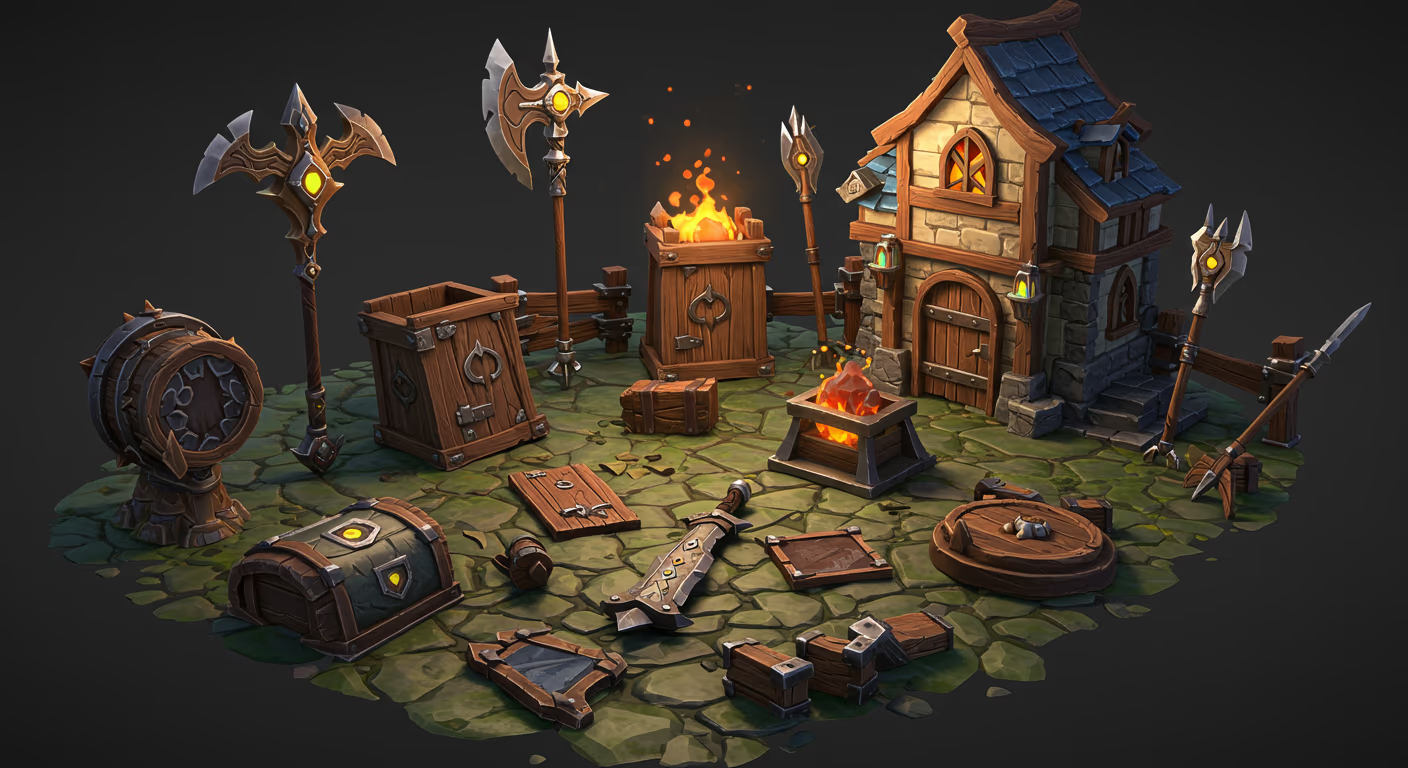
Text to 3D is an AI-powered generation technique that produces a complete 3D model from a written description. You type a prompt like "a wooden treasure chest with iron fittings" and the AI generates a textured, game-ready 3D mesh with no manual modeling required.
How Text to 3D Works
Modern text-to-3D systems typically:
- Interpret the prompt: understand the described object, style, and details
- Generate geometry: create the 3D mesh structure
- Apply textures: generate PBR materials (color, normal, roughness)
- Optimize the mesh: produce clean, usable topology
Text to 3D vs Traditional Modeling
| Aspect | Text to 3D | Manual Modeling |
|---|---|---|
| Time | Seconds | Hours to days |
| Skill required | None | Years of practice |
| Iteration speed | Instant re-prompt | Slow re-work |
| Control | Prompt-based | Full precision |
| Best for | Rapid prototyping, ideation, volume | Hero assets, precise specs |
Prompt quality makes a big difference. See our guide to writing better prompts for 3D generation and the common mistakes to avoid with text-to-3D tools.
Use Cases
- Game development: rapidly fill worlds with props
- Prototyping: visualize ideas instantly
- 3D printing: generate printable objects from descriptions
- Education: teach 3D concepts without modeling barriers
Text to 3D in Sloyd
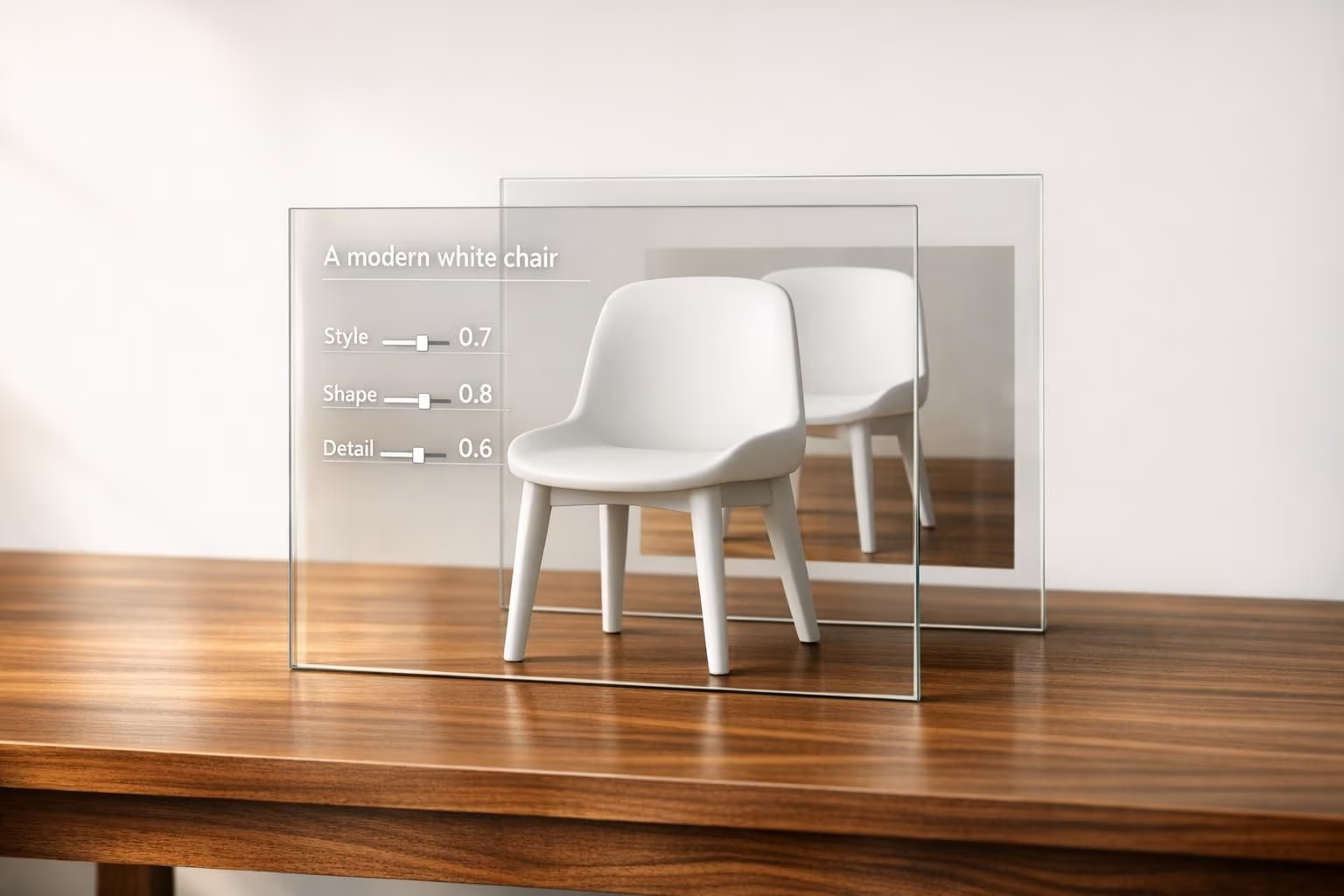
Text to 3D is one of Sloyd's core features. Describe any object and get a game-ready model with clean topology and PBR textures in seconds. Control style, quality, and output format, then export to Unity, Unreal, Blender, or your slicer. When you'd rather start from a picture, image to 3D takes the same model from a reference photo.