Modelos 3D vs. Imágenes Tradicionales: ¿Cuál Convierte Mejor?
Modelos 3D vs. Imágenes Tradicionales: Ver Para Creer. ¿Te preguntas si los modelos 3D superan a las fotos estándar en ventas? Desglosamos los pros, los contras y las estadísticas de conversión para ayudarte a elegir la estrategia visual correcta.
Todos hemos estado ahí. Estás navegando por un sitio web, viendo un par de zapatillas o un sofá nuevo. Miras la foto. Entrecierras los ojos. Haces zoom hasta que los píxeles gritan piedad. Pero no importa cuánto mires, simplemente no puedes saber cómo es la parte trasera del zapato o si ese sofá es lo suficientemente profundo para una siesta dominical adecuada.
Esta es la lucha clásica de la navegación en línea. Durante años, hemos dependido de las imágenes 2D tradicionales, JPEGs y PNGs, para hacer el trabajo pesado. Han hecho un gran trabajo. Cargan rápido, se ven nítidas y todo el mundo sabe cómo usarlas. Pero la web está cambiando. La gente quiere hacer algo más que solo mirar; quiere interactuar.
Llegan los modelos 3D. Estos activos interactivos, que se pueden girar y hacer zoom, están apareciendo en todas partes, desde galerías de arte hasta tiendas de comercio electrónico. Pero, ¿son solo una tendencia llamativa o realmente marcan la diferencia en ventas y engagement?
Sumerjámonos en el debate: modelos 3D versus imágenes tradicionales. Analizaremos los pros y los contras de cada uno, veremos cuál se desempeña mejor en diferentes escenarios y descubriremos la mejor manera de incorporarlos a tu sitio.
TL;DR
- Los modelos 3D aumentan las conversiones hasta en un 40% en comparación con las imágenes tradicionales, mejorando la confianza del cliente y reduciendo las devoluciones.
- Las imágenes tradicionales ofrecen tiempos de carga rápidos y accesibilidad universal, lo que las hace adecuadas para una navegación rápida.
- Los modelos 3D permiten la exploración interactiva, lo que mantiene a los usuarios comprometidos y promueve la toma de decisiones a través de la manipulación.
- Utiliza una combinación de ambos elementos visuales; usa 3D para productos clave, pero mantén las imágenes tradicionales para la navegación general.
- Selecciona creadores de sitios web que soporten formatos 3D sin problemas para un rendimiento y una experiencia de usuario óptimos.
El Caso del Clásico: Imágenes Tradicionales
Comencemos con el campeón defensor. Las imágenes estáticas han sido la columna vertebral de internet desde el principio. Hay una razón por la que no han desaparecido.
Simplicidad y Velocidad
La fotografía tradicional es accesible. Tomas una foto, la editas y la subes. ¡Listo! Has terminado. No necesitas software especial para ver un JPEG. Cada navegador, teléfono y tableta del planeta habla este idioma. Esta compatibilidad universal significa que nunca tienes que preocuparte si tu cliente puede ver lo que estás vendiendo.
Además, los tamaños de archivo son pequeños. Una foto de producto de alta calidad podría ser de 200KB. Esto mantiene tu sitio cargando a la velocidad del rayo, lo cual es crucial porque sabemos que si una página tarda más de tres segundos en cargar, casi la mitad de tus visitantes rebotarán.
Las Limitaciones
Sin embargo, las imágenes estáticas tienen un límite. Son planas. Para darle a un cliente una vista completa de un producto, necesitas subir diez fotos diferentes desde diez ángulos distintos. Incluso así, hay una desconexión. El usuario está viendo el contenido de forma pasiva. No puede extender la mano y girar el objeto. Tiene que confiar en que tu fotógrafo capturó los ángulos correctos. Esta brecha de información puede llevar a la indecisión, y la indecisión mata las conversiones.
Dónde Usar Modelos 3D (Más Allá de Solo Vender Cosas)
Si bien las tiendas en línea son el caso de uso obvio, los activos 3D también están transformando otros espacios.
Portafolios en Línea
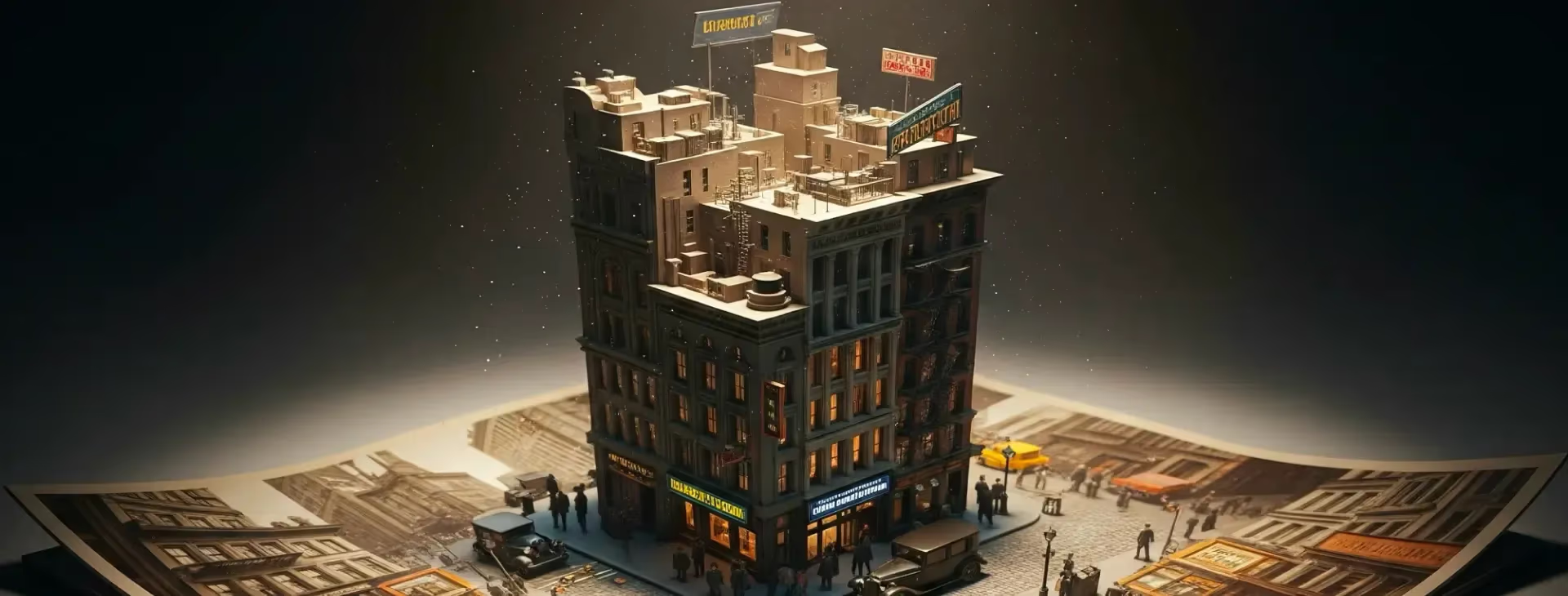
Si eres arquitecto, diseñador de productos o escultor, una foto plana no le hace justicia a tu trabajo. Imagina el portafolio de un arquitecto donde un cliente puede rotar un modelo de edificio para ver la fachada trasera, en lugar de solo mirar una representación de la elevación frontal. Al crear un sitio web de portafolio, la puntualidad lo es todo. El uso de modelos 3D te permite actualizar tus proyectos rápidamente y mostrarlos de la mejor manera posible. Un gran portafolio muestra lo que puedes hacer. Un gran portafolio 3D permite a tus clientes experimentarlo por sí mismos. Convierte un portafolio de un álbum de fotos en una experiencia inmersiva y demuestra tus habilidades al instante.
Galerías de Arte Virtuales
El mundo del arte ha tenido que adaptarse rápidamente a la visualización en línea. Para escultores o artistas de instalaciones, el 3D cambia las reglas del juego. Una foto de una escultura la aplana. Un modelo 3D permite a un coleccionista comprender el volumen y la profundidad de la pieza. Recrea la experiencia de la galería de caminar alrededor de un objeto, haciendo que el espectador se sienta conectado con el arte de una manera que un JPEG nunca podría.
Presentaciones Educativas
Piensa en el aprendizaje en línea o en las presentaciones de propuestas. Si estás explicando una parte compleja de un motor o una estructura biológica, un diagrama está bien, pero un modelo 3D es superior. Poder rotar un modelo de corazón para ver las válvulas es mucho más educativo que mirar una ilustración de un libro de texto. Mantiene a la audiencia despierta y comprometida.
El Retador: Modelos 3D
Ahora, hablemos del nuevo contendiente. Los modelos 3D permiten a los usuarios interactuar con un objeto en tiempo real. No estamos hablando solo de un video reproduciéndose en bucle; nos referimos a un objeto completamente renderizado que un usuario puede girar, voltear e inspeccionar desde cualquier ángulo que elija.
Engagement y "Fidelización"
Cuando alguien encuentra un modelo 3D en un sitio, su comportamiento cambia. Dejan de desplazarse. Empiezan a jugar. Tal vez giran el modelo rápidamente o hacen zoom en un pequeño detalle de la textura. Esta interactividad aumenta el "tiempo de permanencia", la cantidad de tiempo que alguien pasa en tu página. Cuanto más tiempo se quedan, más familiarizados se vuelven con lo que ofreces.
Reduciendo la Brecha de la Imaginación
El mayor obstáculo al vender cualquier cosa en línea es que la gente no puede tocar el producto. No pueden levantarlo. Los modelos 3D cierran esa brecha mejor que cualquier otra cosa. Al permitir que un usuario manipule el objeto, le das una sensación de control y propiedad antes de que siquiera haya hecho clic en "comprar". Pueden ver exactamente cómo la luz incide en la textura o cómo encajan los mecanismos de una herramienta. Esta claridad genera confianza.
Las Desventajas
No todo es perfecto, por supuesto. Los modelos 3D pueden consumir más recursos que las imágenes estándar y, si no se optimizan correctamente, pueden ralentizar tu página. Crearlos también requiere más esfuerzo o presupuesto en comparación con tomar una foto con tu iPhone. Necesitarás un artista 3D o un software IMAGE-TO-3D para generar los archivos, típicamente en formatos como GLB o USDZ.
El Enfrentamiento de la Conversión
Entonces, ¿cuál realmente consigue que más personas hagan clic en el botón de pago?
Los datos se inclinan fuertemente hacia el 3D. Las tendencias recientes en tiendas sugieren que las páginas de productos con modelos 3D pueden ver un aumento en las tasas de conversión de hasta un 40% en comparación con aquellas que solo tienen imágenes estáticas.
¿Por qué el salto? Se reduce a la confianza. Cuando un cliente puede inspeccionar cada centímetro de un producto, suceden dos cosas:
- Aumenta la confianza: Saben exactamente lo que están comprando.
- Disminuyen las devoluciones: Debido a que tuvieron una mejor comprensión del producto, es menos probable que se decepcionen cuando llegue.
Las imágenes tradicionales son excelentes para un escaneo rápido. Actúan como el anzuelo. Pero los modelos 3D son el cierre. Proporcionan la verificación detallada que un comprador necesita para comprometerse.
Eligiendo el Creador de Sitios Web Adecuado para 3D
Estás convencido de la idea y quieres esa magia interactiva en tu sitio. Pero, ¿cómo la implementas? No todos los creadores de sitios web están listos para la tercera dimensión. Algunos tienen problemas con los tipos de archivo, mientras que otros pueden ralentizar la velocidad de carga de tu sitio.
Los mejores creadores de sitios web manejan los formatos de medios modernos de forma nativa y te dan la libertad de diseñar alrededor de estos activos sin problemas.
Cuando se trata de combinar elementos visuales de alta tecnología con un diseño fácil, la plataforma Wix está a la cabeza.
Entonces, ¿Quién Gana?
| Aspecto | Imágenes Tradicionales | Modelos 3D |
|---|---|---|
| Accesibilidad | Visible en cualquier dispositivo, soporte universal (JPEG, PNG) | Requiere visor compatible, puede enfrentar problemas de compatibilidad |
| Velocidad | Tiempos de carga más rápidos (aprox. 200KB por imagen) | Puede consumir muchos recursos, puede ralentizar la página si no se optimiza |
| Interacción del Usuario | Estática, visualización pasiva, puede requerir múltiples imágenes para una vista completa | Interactiva, permite a los usuarios manipular objetos en tiempo real |
| Engagement | Infiere interés pero interactividad limitada | Aumenta el tiempo de permanencia, fomenta la exploración y el engagement |
| Conversiones | Efectivo para escaneos rápidos, tasas de conversión más bajas | Tasas de conversión más altas (hasta un 40% más) debido a una mayor confianza |
| Casos de Uso | Miniaturas, páginas de colección, navegación rápida | Destacados de e-commerce, portafolios en línea, galerías virtuales, presentaciones educativas |
La respuesta, como quizás sospeches, no es realmente "uno u otro". Se trata de la combinación.
Las imágenes tradicionales son los caballos de batalla. Son perfectas para páginas de colección, miniaturas y navegación rápida. No deberías reemplazar cada imagen de tu sitio con un modelo 3D pesado. Eso sería excesivo.
Pero para tus productos "estrella", tus obras maestras de portafolio o esa exhibición principal en tu galería digital? Los modelos 3D son el claro ganador. Detienen el desplazamiento. Generan confianza. Convierten a un espectador pasivo en un participante activo.
Si quieres convertir más visitantes en fans o clientes, comienza a experimentar con el 3D. Y cuando lo hagas, asegúrate de construir sobre una plataforma que te permita mostrar ese trabajo exactamente como lo imaginaste. La web se está volviendo más profunda, asegúrate de que tu sitio no se quede estancado en las llanuras.
Preguntas Frecuentes
¿Cuáles son las principales ventajas de usar modelos 3D sobre imágenes tradicionales para ventas en línea?
Los modelos 3D ofrecen ventajas significativas para las ventas en línea, incluyendo una mayor interactividad, que permite a los usuarios rotar y hacer zoom en los productos. Esta experiencia interactiva puede mejorar el engagement del usuario y aumentar el 'tiempo de permanencia' en el sitio. Además, los modelos 3D pueden llevar a un aumento en la tasa de conversión de hasta un 40% en comparación con las imágenes tradicionales, ya que construyen la confianza del cliente al proporcionar una vista detallada del producto, reduciendo así la probabilidad de devoluciones.
¿Por qué las imágenes tradicionales siguen siendo relevantes a pesar del auge de los modelos 3D?
Las imágenes tradicionales siguen siendo muy relevantes debido a su simplicidad y rápidos tiempos de carga. Son universalmente compatibles con todos los dispositivos y navegadores, lo que permite una visualización rápida sin necesidad de software especial. Esto las hace perfectas para escenarios donde los usuarios simplemente están navegando o viendo miniaturas. Además, consumen menos recursos, manteniendo los tiempos de carga del sitio optimizados, lo cual es crucial para retener a los visitantes.
¿En qué escenarios debería usar modelos 3D en lugar de imágenes tradicionales?
Los modelos 3D deben usarse principalmente para productos 'estrella' o artículos clave que requieren una presentación detallada, como productos electrónicos de alta gama, muebles o exhibiciones artísticas en portafolios. También son ventajosos en entornos educativos donde los temas complejos pueden entenderse mejor a través de la visualización 3D. Las imágenes tradicionales, sin embargo, aún deben utilizarse para miniaturas, páginas de colección y experiencias de navegación rápida.
¿Cómo mejoran los modelos 3D la toma de decisiones del cliente durante el proceso de compra?
Los modelos 3D mejoran la toma de decisiones del cliente al permitir a los usuarios manipular y explorar productos desde varios ángulos, lo que simula la experiencia de manejar un producto físicamente. Esta interactividad reduce la 'brecha de la imaginación' que a menudo existe con las imágenes tradicionales, proporcionando una comprensión más clara de las características y detalles del producto, aumentando así la confianza en la compra.
¿Qué debo considerar al seleccionar un creador de sitios web para implementar modelos 3D?
Al elegir un creador de sitios web para modelos 3D, busca plataformas que soporten de forma nativa formatos de medios modernos como GLB o USDZ sin sacrificar la velocidad de carga. Es importante seleccionar un creador que permita una fácil integración de activos 3D y proporcione una experiencia fluida para los usuarios. Wix, por ejemplo, es conocido por su compatibilidad con formatos 3D y facilidad de diseño, lo que lo convierte en una opción sólida para aquellos que buscan incorporar elementos visuales 3D.